Coming Back to My Trees
Coming Back to My Trees
Recording a story of place, memory, and return 🌿🎙️
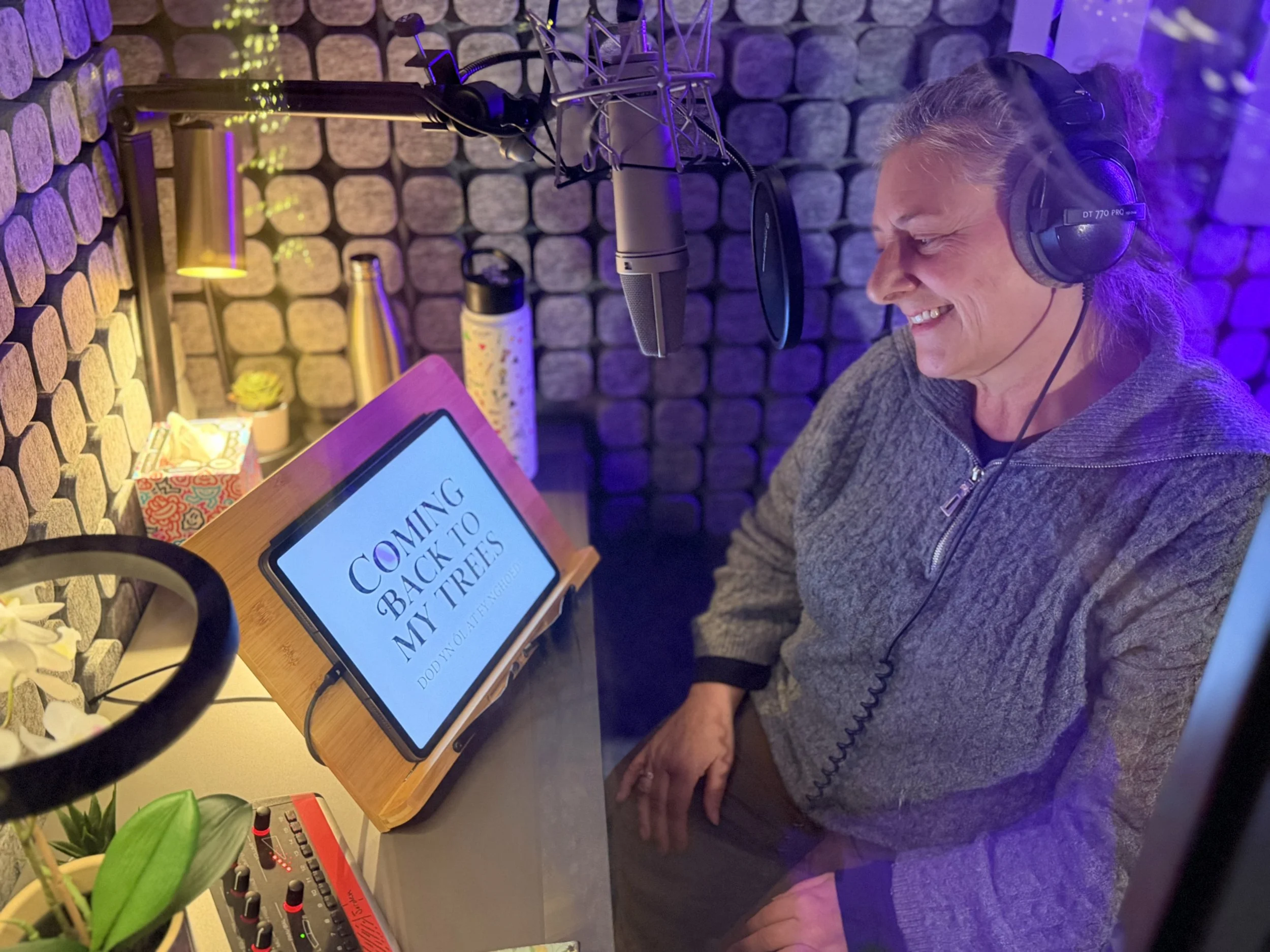
There are some projects that feel less like a booking in the diary and more like stepping into a landscape. Recording Coming Back to My Trees / Dod yn ôl at fy Nghoed by Deborah Rose Halani was exactly that.
From the first page, this is not just a memoir. It’s a journey threaded with hiraeth — that quiet, persistent pull towards home — woven through memory, myth, and the sacred geography of Wales. Our role in bringing it to life as an audiobook was to honour that atmosphere: to capture not just the words, but the spaces between them.
A story rooted in belonging
Deborah’s work speaks to anyone who has ever felt slightly out of orbit from their own heritage. Written for those raised without a full connection to Welsh language or culture, it gently reclaims that ground — not with force, but with care.
The narrative moves through:
Childhood in Wales
Experiences of loss and identity
A deepening spiritual path
A return to language, lineage, and land
Along the way, the landscapes themselves become characters. Mountains, lakes, and mythic echoes from the Mabinogiaren’t just referenced — they’re felt. 🌄
There’s also a beautiful duality at the heart of the book: Deborah’s Welsh roots intertwined with her Hawaiian spiritual foundation. That balance shaped how we approached the recording — grounded, respectful, and never over-performed.
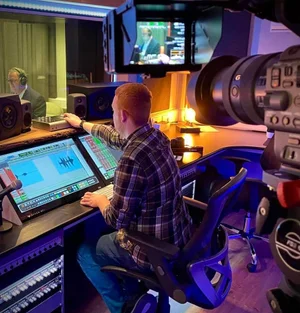
Producing the audiobook
From a production perspective, this was all about restraint and intention.
This isn’t a book that benefits from dramatic flourish or heavy-handed direction. Instead, we focused on:
Natural pacing — allowing the text to breathe, particularly in reflective passages
Clarity of tone — ensuring the storytelling felt intimate, not theatrical
Emotional authenticity — guiding performance choices that felt lived-in rather than performed
Audiobooks like this live or die by their ability to feel true. Too polished, and you lose the soul. Too loose, and the structure disappears. The sweet spot is somewhere in between — like walking a well-worn path where every step still matters.
Voices around the work
The response to Deborah’s writing has been deeply resonant.
Dr Gwilym Morus-Baird describes it as:
“A nourishing companion… especially if you're planning your own slow walk between stories and stones.”
Kumu Paʻa Julia Nālani Adams reflects on its sense of place and teaching:
“Through the stories of Place, we are immersed in Teachings from the past which… show us the Path to our future.”
And Kristoffer Hughes captures the emotional core of the book beautifully:
“A profound act of remembrance, reclamation, and deep spiritual courage… a reminder that the land remembers us, even when we have forgotten ourselves.”
Why this project mattered
At its heart, Coming Back to My Trees is about return — not just geographically, but spiritually and personally.
As producers, it’s a privilege to sit at that intersection where story becomes sound. With this project, the goal was simple: create a listening experience that feels like being guided gently back to somewhere you didn’t realise you’d left.
No fanfare. No overproduction. Just a clear path through words, memory, and place.
And sometimes, that’s where the magic lives. 🌲✨